

If you’re looking to strengthen and sculpt your legs, lower body exercises with one foot forward and one back can be highly effective. These movements target your glutes, hamstrings, quads, and calves, improving strength, flexibility, and balance. Whether you’re a beginner or an experienced fitness enthusiast, these exercises can enhance your routine.
In this post, we’ll highlight seven powerful lower body exercises with one foot forward and one back techniques, providing step-by-step instructions, variations, and tips for optimal results. Let’s get started.

Table of Contents
ToggleWhat is a lower body exercise with one foot forward and one back?
Lower body exercises with one foot forward and one back, like lunges and split squats, target different leg muscles and promote balanced muscle development. These movements strengthen the lower body while improving flexibility, posture, and mobility.
This functional pattern mimics everyday activities such as walking or climbing stairs, effectively engaging the quads, hamstrings, glutes, and calves.
Why Should You Include These Exercises in Your Routine?
Adding exercises with one foot forward and one back to your workout routine offers several benefits:
Targeted Leg Muscle Activation:
These exercises are designed to engage multiple muscles in the lower body, including the glutes, quads, hamstrings, and calves.
Improved Balance and Stability:
Keeping one foot forward and the other back challenges your balance, helping you strengthen your stabiliser muscles, which improves coordination.
Increased Flexibility:
Many of these exercises, such as lunges and split squats, allow for a deeper stretch in the hip flexors, quads, and hamstrings, improving flexibility over time.
Core Engagement:
Exercises like Bulgarian split squats and single-leg deadlifts require core stabilisation, helping to build strength in the core muscles while targeting the legs.
Functional Movements:
These exercises mimic real-life actions like walking, running, and climbing stairs, which makes them incredibly practical for daily activities.
Integrating these dynamic exercises into your fitness regimen will not only sculpt a more toned and defined lower body but also cultivate a sense of balance and flexibility. As you engage in these movements, you’ll enhance your overall functional mobility, making everyday activities feel easier and more fluid.
7 Effective lower body exercises with one foot forward and one back
Here are seven of the most effective lower body exercises that use the one foot forward, one foot back stance:
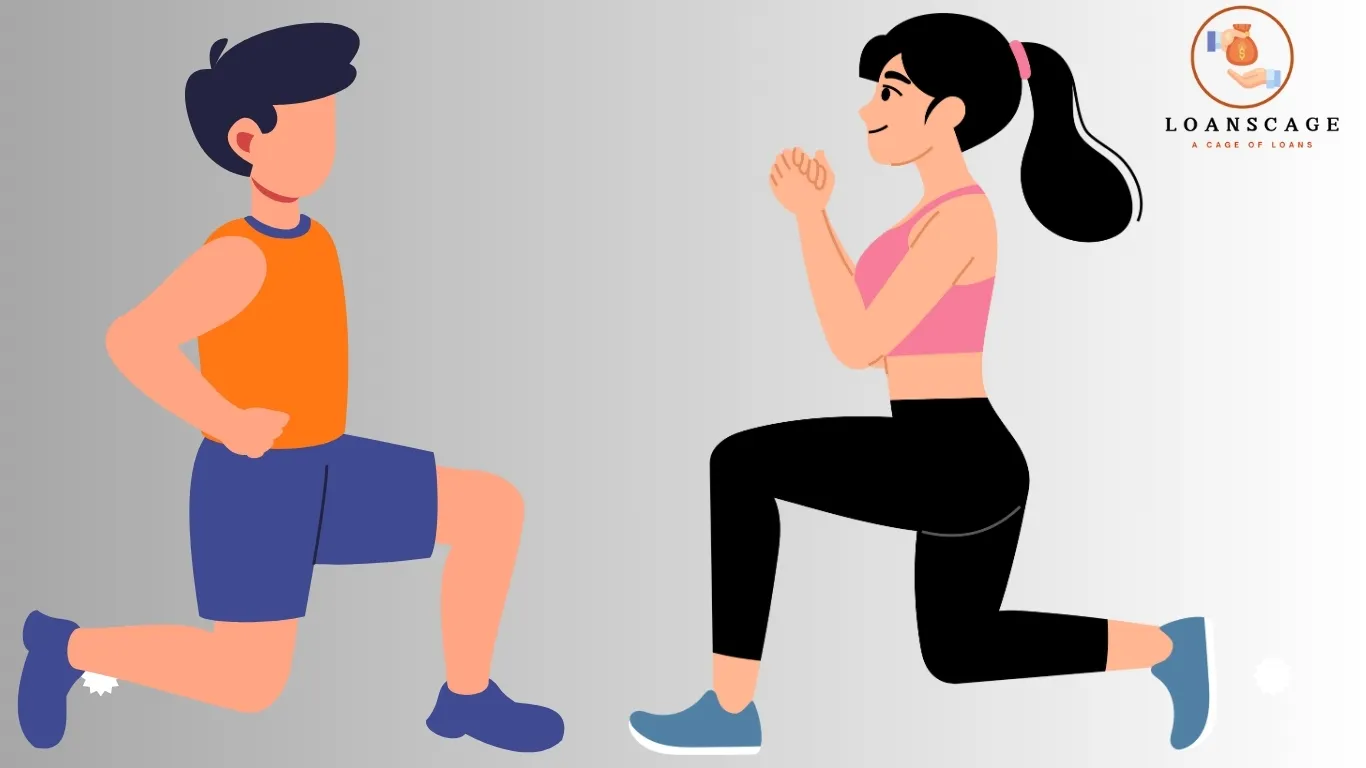
1. Lunges
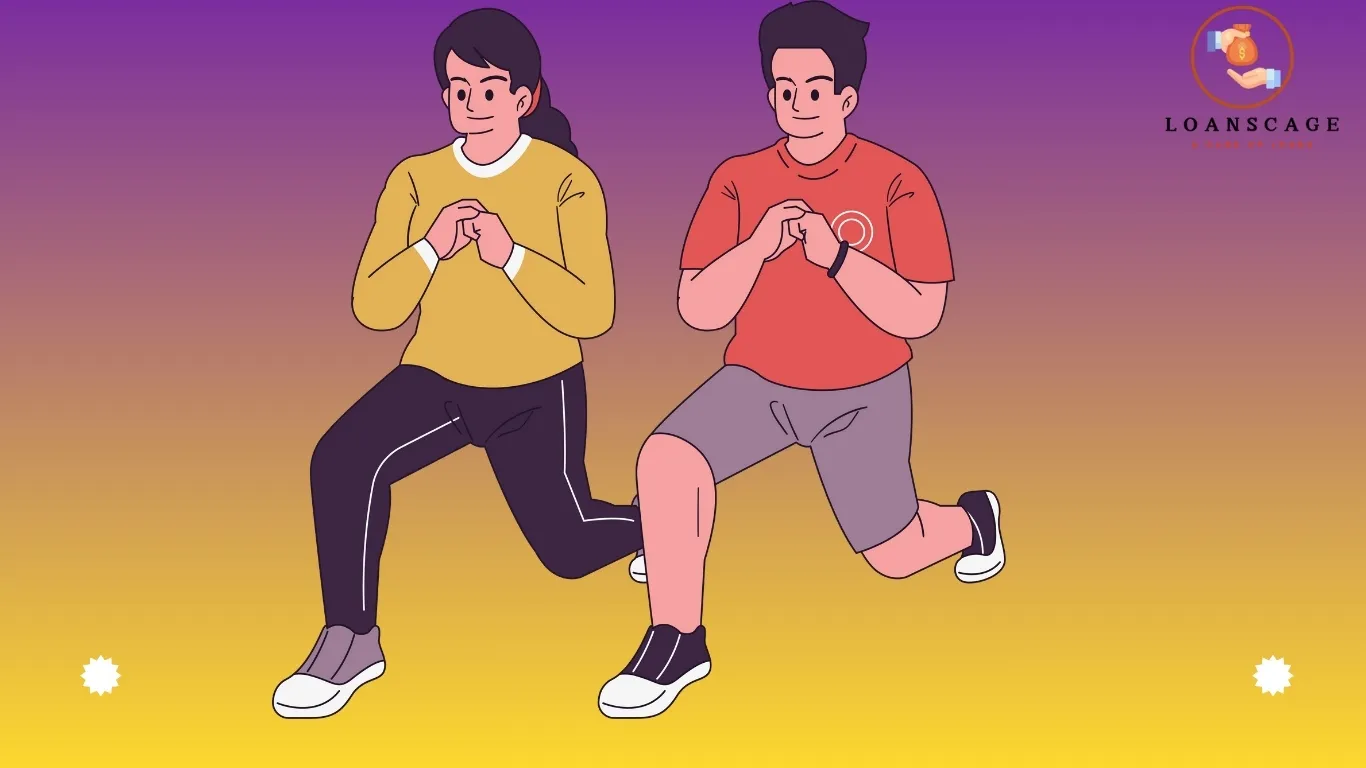
Lunges are one of the most popular exercises for strengthening the legs. They engage the quads, hamstrings, glutes, and calves, helping to improve your overall lower body strength.
How to Perform Lunges:
Start by stepping forward with one leg, making sure your front knee is aligned with your ankle.
Lower your body by bending both knees to about 90 degrees. Your back knee should hover just above the floor.
Press through the heel of your front foot to return to the starting position.
Alternate legs after each repetition.
Benefits:
Build strength in the lower body, especially the quads and glutes.
Improve your balance and coordination.
Increase flexibility in the hip flexors.
2. Split Squats
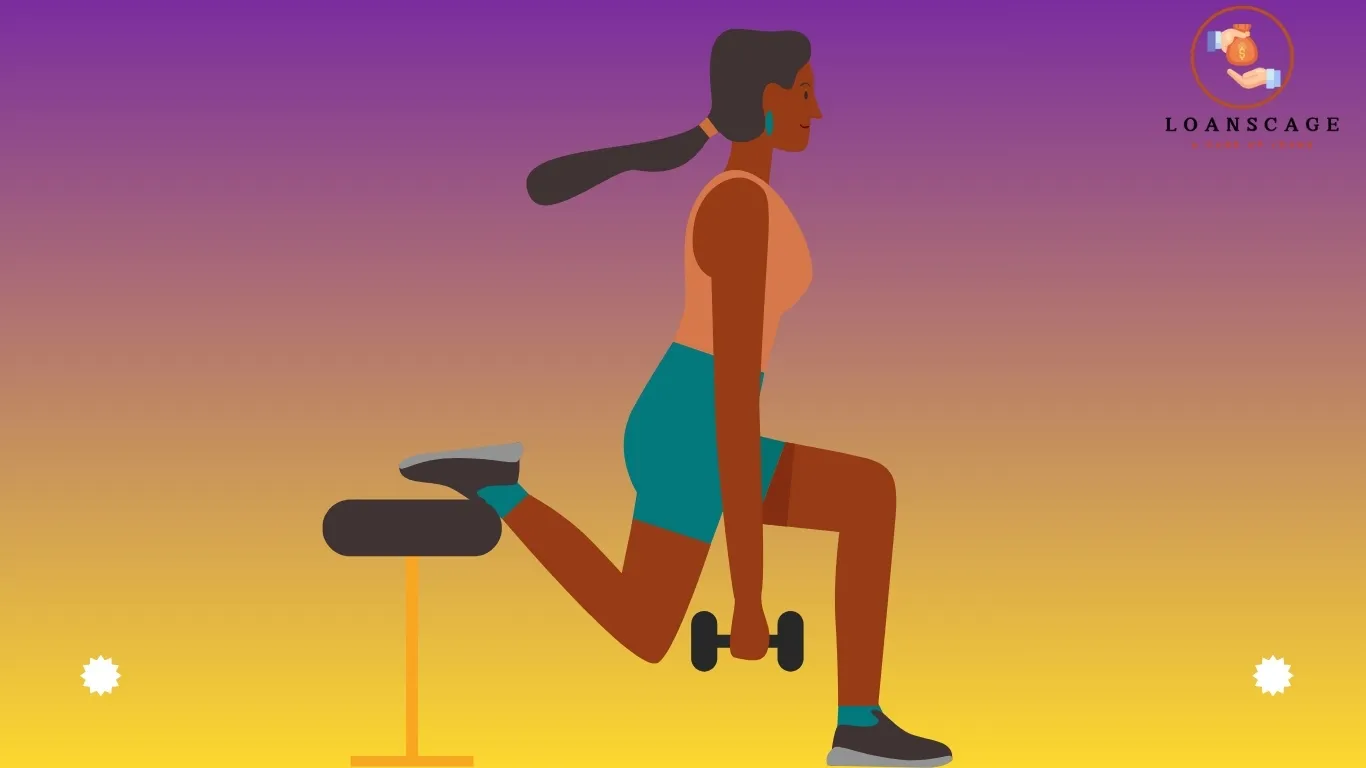
Split squats are a stationary variation of lunges that offer a more focused leg workout.
How to Perform Split Squats:
Place one foot forward and the other foot on an elevated surface (like a bench or step) behind you.
Lower your body by bending both knees. Ensure your front knee is at a 90-degree angle and doesn’t extend past your toes.
Push through the front foot to return to a standing position, then repeat.
Benefits:
Focuses on one leg at a time, which helps reduce muscle imbalances.
Strengthens the quads, hamstrings, and glutes.
Enhances balance and stability in the lower body.
3. Reverse Lunges
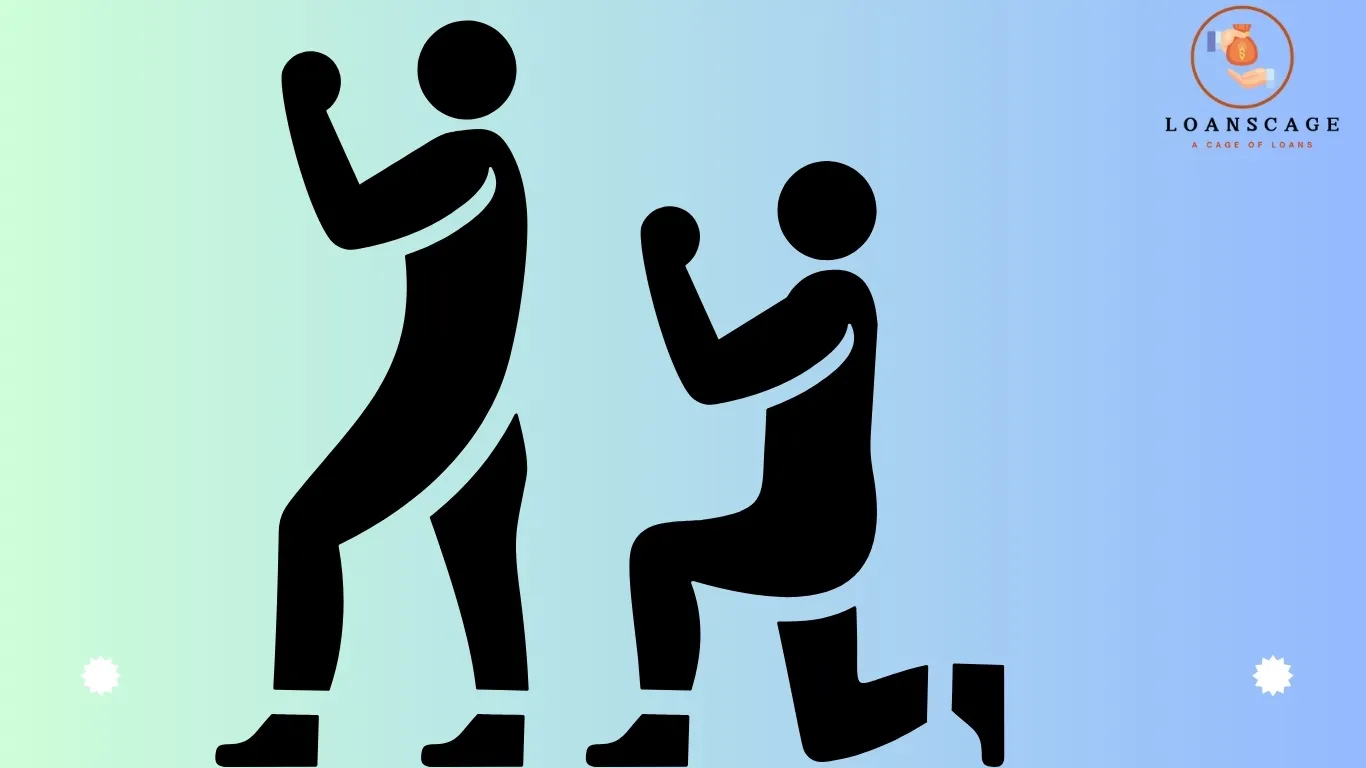
Reverse lunges offer a lower-impact alternative to forward lunges, but they still engage the same leg muscles.
How to Perform Reverse Lunges:
Step backwards with one leg, keeping the front leg stable.
Lower your hips until both knees form 90-degree angles.
Push through the front foot to return to a standing position, and alternate legs.
Benefits:
Reduced stress on the knees compared to forward lunges.
Increased hamstring activation.
Helps improve coordination and stability.
4. Step-ups
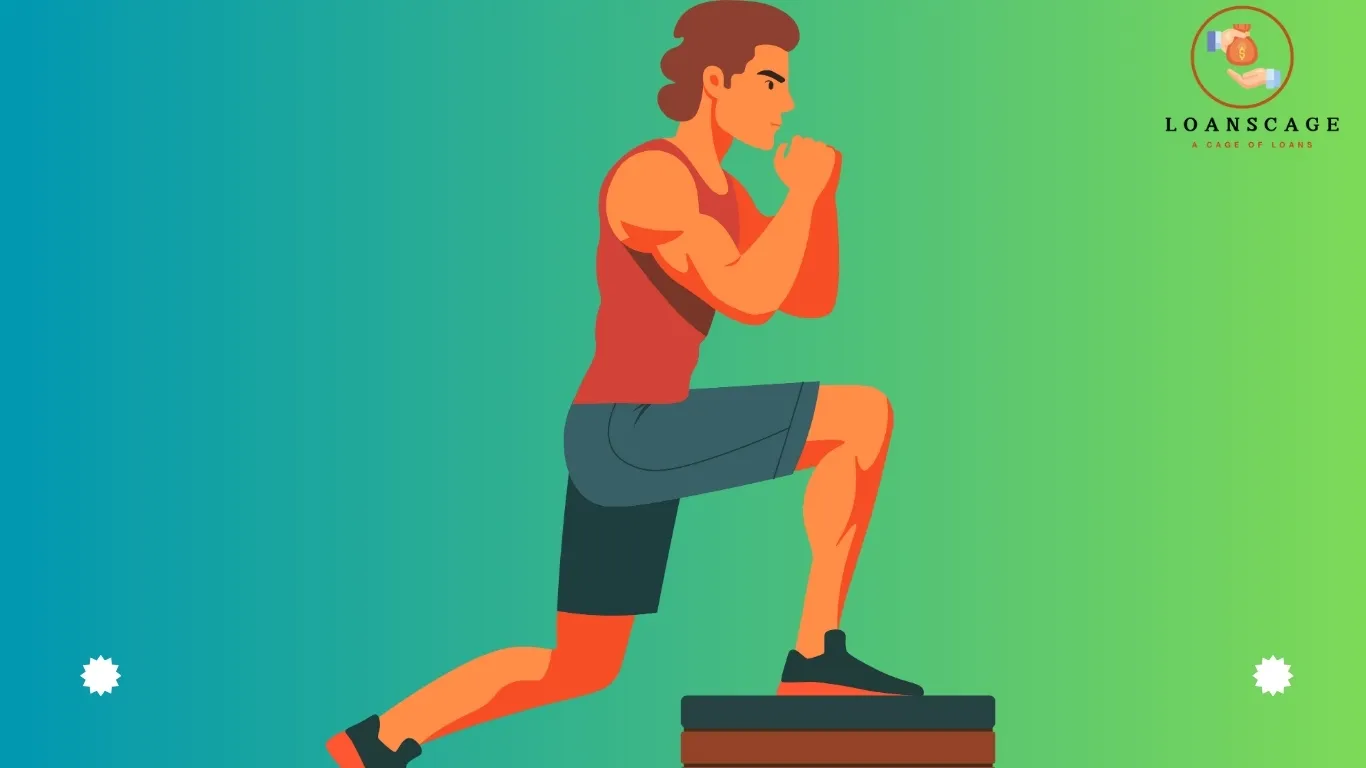
Step-ups are an excellent way to work the quads, hamstrings, and glutes while also improving balance.
How to Perform Step-ups:
Step up onto a platform (like a bench or box) with one foot.
Bring the other foot up to meet the first foot.
Step back down with the same foot, and repeat.
Benefits:
Activates the entire lower body.
Great for building strength and improving balance.
Simple to modify by adjusting the height of the platform or adding weights.
5. Bulgarian Split Squats
Bulgarian split squats provide a deeper range of motion, making them excellent for developing leg strength and stability.
How to Perform Bulgarian Split Squats:
Stand with one foot forward and the other foot resting on an elevated surface behind you (like a bench).
Lower your hips until your front knee is at a 90-degree angle.
Push through the front foot to return to standing.
Benefits:
Greater depth activates the glutes and quads more intensely.
Focuses on each leg individually, which helps improve muscle imbalances.
Builds strength and endurance in the legs.
6. Skater Lunges
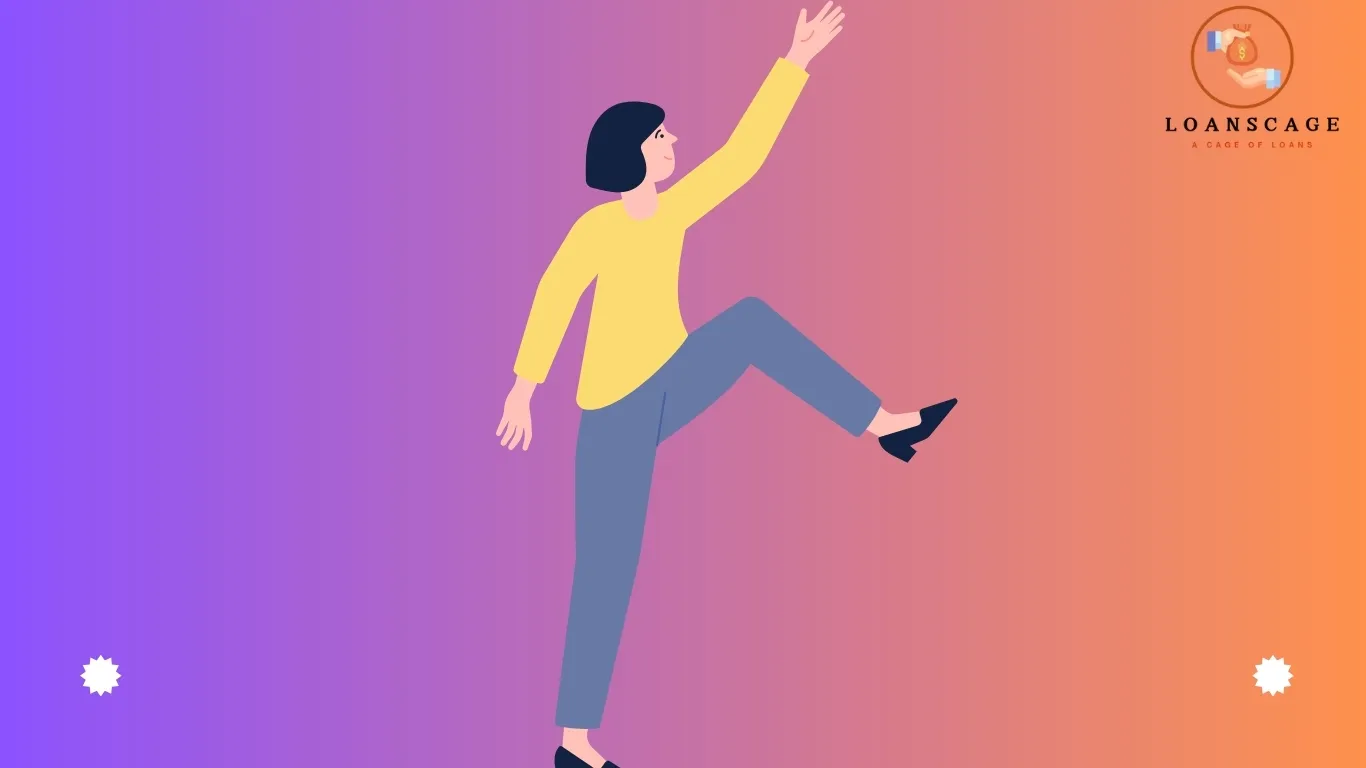
Skater lunges mimic the lateral movement seen in skating, which improves agility and works the inner and outer thighs.
How to Perform Skater Lunges:
Step laterally to one side, lowering your hips into a squat position while the opposite leg extends out behind you.
Reach toward the floor with the opposite hand, maintaining a stable core.
Push off your bent leg to return to the starting position, alternating sides.
Benefits:
Improves lateral movement and agility.
Strengthens the inner and outer thighs.
Engages the core for stability.
7. Single-leg Deadlifts
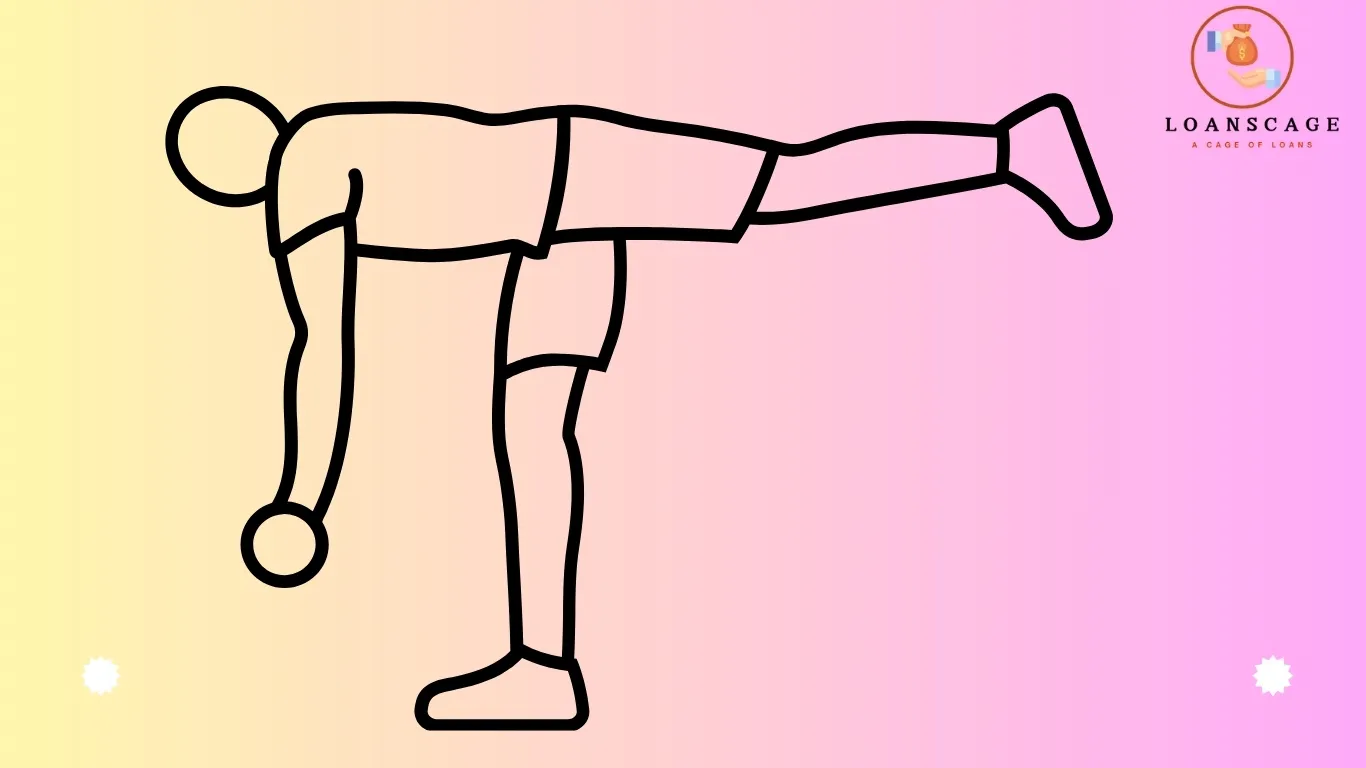
Single-leg deadlifts are fantastic for improving balance and strengthening the posterior chain, which includes the hamstrings, glutes, and lower back.
How to Perform Single-leg Deadlifts:
Stand on one leg with a slight bend in the knee.
Lean forward at the hips, extending the free leg behind you.
Keep your back straight and return to standing, engaging the glutes and hamstrings.
Benefits:
Targets the hamstrings, glutes, and lower back.
Improves balance and stability.
Helps strengthen the core and improve posture.
Benefits of Performing These Exercises
Improved Leg Strength
These exercises effectively build leg strength, enhancing athletic performance and daily activities. You’ll experience greater power in walking, running, and other physical activities.
Better Balance and Coordination
As many of these exercises require stabilising your body on one leg or engaging your core to maintain posture, you’ll see an improvement in your balance and coordination, which is crucial for preventing falls and injuries.
Enhanced Flexibility
Lunges, split squats, and other similar exercises stretch and lengthen the muscles in your legs, especially in the hips and hamstrings. With consistent practice, you’ll improve your overall flexibility and joint mobility.
Increased Core Engagement
Most of these exercises require strong core engagement to maintain proper form. A stable core helps prevent lower back pain and improves your posture, which will carry over into other activities and sports.
How to Perfect Your Form for Maximum Results
Getting the form right is key to avoiding injury and maximising the benefits of these exercises.
Proper Foot Placement
Make sure your feet are shoulder-width apart and firmly planted on the ground. For lunges and squats, focus on keeping your weight in your heels to activate the muscles properly.
Aligning Your Hips
Keep your hips level and square to avoid unnecessary strain on the lower back. If your hips rotate or tilt, you won’t be engaging the right muscles, which can lead to injury.
Knee Safety and Posture
When performing lunges or squats, ensure that your knees stay aligned with your toes. Avoid letting your knee cave inwards, which can strain the joint. Keep your back straight and your core engaged to protect your lower back.
How Often Should You Perform These Exercises?
To see the best results, aim to perform these exercises 2-3 times a week. This frequency allows your muscles to recover while still challenging them enough to build strength. Don’t forget to incorporate rest days to avoid overtraining.
Can These Exercises Help with Injury Recovery?
Yes, these exercises are often used in rehabilitation programs because they focus on controlled, functional movements that help rebuild strength in injured muscles. Always consult with a healthcare professional before starting a new workout regimen if you’re recovering from an injury.
Nutrition Tips for Supporting Lower Body Strength
Fuel your workouts with a diet that supports muscle growth and recovery:
Protein: Vital for muscle repair and growth. Include lean proteins like chicken, fish, and plant-based options such as beans and tofu.
Carbohydrates: Provide the energy needed for intense workouts. Opt for complex carbs like whole grains, fruits, and vegetables.
Healthy Fats: Include sources like avocado, nuts, and olive oil to help with muscle function and overall health.
10. Conclusion
Incorporating lower body exercises with one foot forward and one back is crucial for strengthening and toning your legs. These movements improve balance, flexibility, and core engagement. Whether to enhance athletic performance or create a functional workout, these exercises yield significant results. With consistent practice and proper form, you’ll see impressive gains in lower-body strength and overall mobility.
Please don’t forget to leave a review of my article.